01
Zirconia Crowns
Zirconia crowns are known for their strength and tooth-coloured appearance. They may be considered for front or back teeth depending on the clinical situation and selected design.

Protect damaged teeth and improve the appearance of your smile with carefully planned dental crown treatment. Discover crown options designed to restore tooth shape, function and appearance.
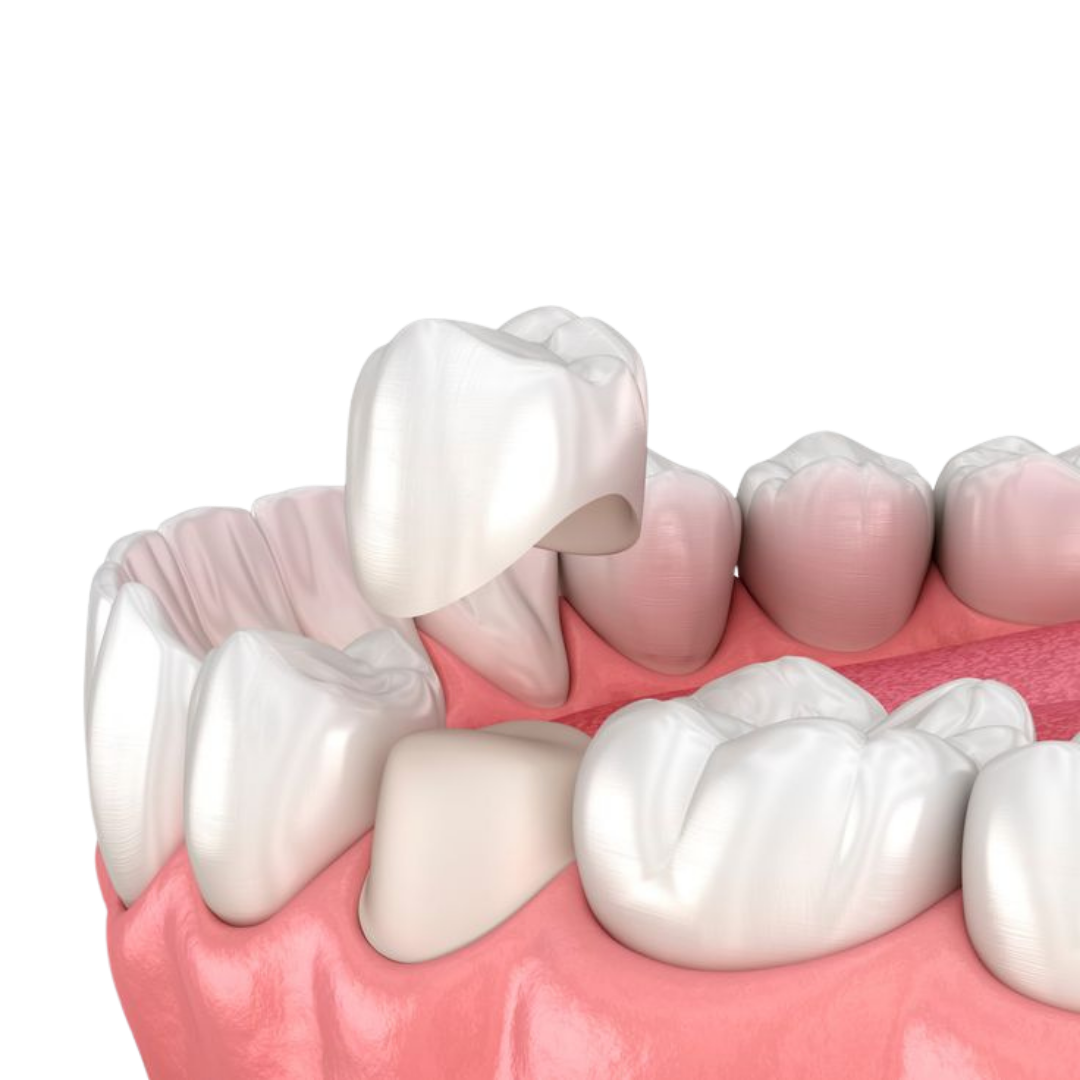

A dental crown is a custom-made covering placed over a tooth to restore its shape, size, strength and appearance. It can help protect a weakened tooth and improve the look of a tooth that is damaged, worn or heavily restored.
Your dentist will assess your tooth, explain suitable materials and recommend an option based on your dental needs, bite and aesthetic goals.
Different crown materials offer different combinations of appearance, strength and suitability. Your dentist can help determine which type is appropriate for your tooth.
Zirconia crowns are known for their strength and tooth-coloured appearance. They may be considered for front or back teeth depending on the clinical situation and selected design.
All-ceramic crowns are made without a metal substructure and can provide a natural-looking result. They are often considered when appearance is an important priority.
These crowns combine a metal base with an outer porcelain layer. They offer a combination of structural support and a tooth-coloured visible surface.
Metal crowns are made from dental alloys and are valued for their durability. Their metallic appearance means they are generally considered for less visible areas.
Porcelain crowns can be selected to complement the colour and appearance of surrounding teeth. Material choice depends on the tooth's position and functional demands.
Resin-based crowns may be used in selected situations. Their suitability and expected durability should be discussed with your dentist before treatment.
A temporary crown protects a prepared tooth while the permanent restoration is being made. It is intended for short-term use.
A full-coverage crown covers the visible portion of a tooth above the gumline. It may be recommended when a tooth needs extensive protection and restoration.
Some dental practices offer digital scanning and in-office crown fabrication. Ask the clinic whether this service is available and suitable for your case.
A crown may be recommended when a tooth needs more coverage and support than a filling can provide. The decision depends on the amount of remaining tooth structure and your oral health.
Not every damaged tooth needs a crown. Your dentist will assess the tooth and discuss appropriate alternatives.
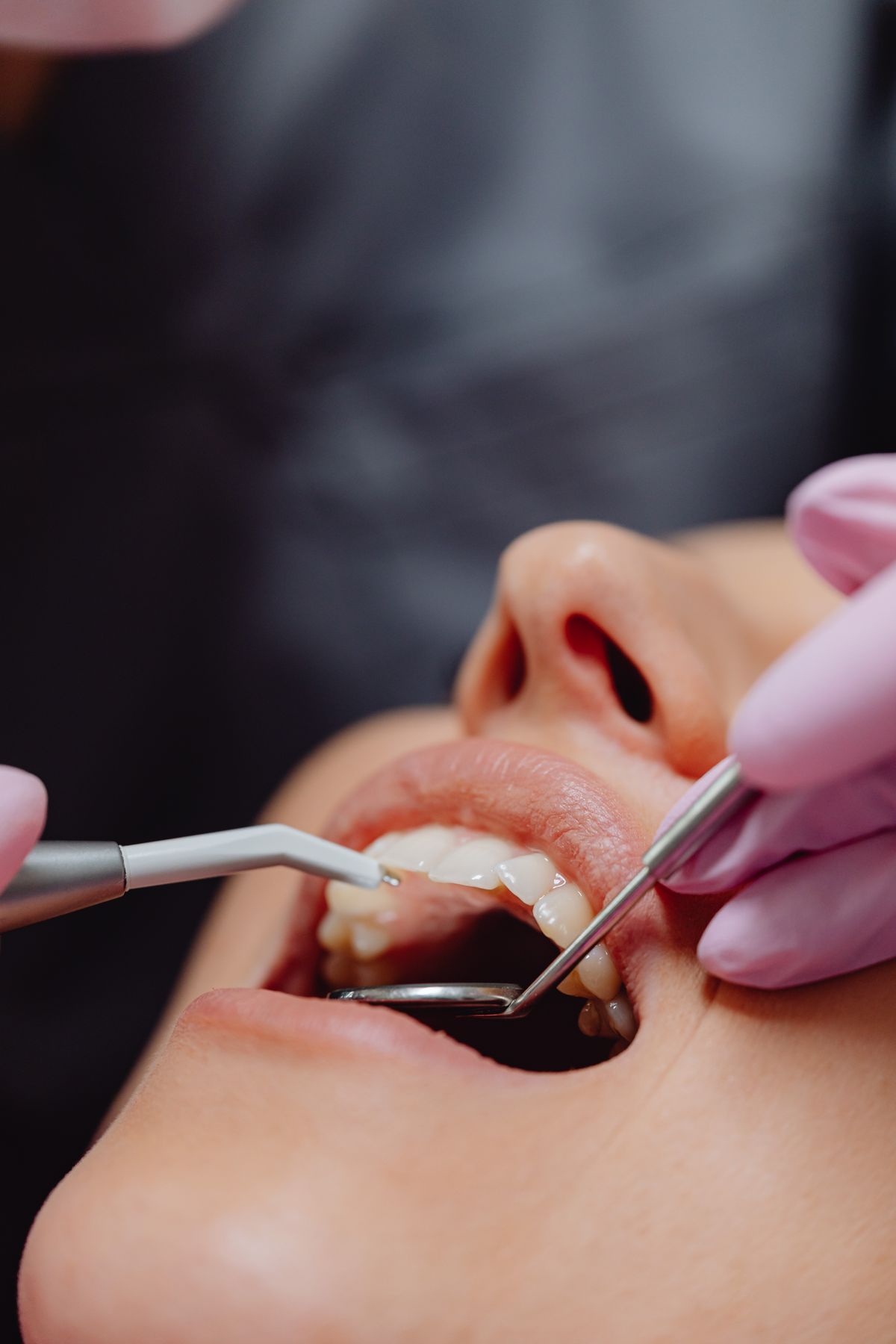
The position of the tooth can influence which crown material is suitable. Your dentist will consider both appearance and the forces placed on the tooth when you bite.

Front teeth are visible when you smile. Colour, shape, translucency and how the crown blends with nearby teeth are important considerations.
Back teeth handle substantial chewing forces. Strength, bite alignment and the amount of remaining tooth structure are important when selecting a restoration.
The exact steps and number of visits depend on your tooth, selected crown and treatment plan.
Your dentist examines the tooth and discusses your symptoms, expectations and suitable treatment options.
If a crown is appropriate, the tooth is carefully prepared to create space for the restoration.
An impression or digital scan is used to create a crown designed to fit your tooth.
The crown is checked for fit and bite, then secured using the appropriate dental procedure.
Good oral hygiene and regular dental reviews help maintain your crown and the natural tooth underneath it.
Crown lifespan varies depending on the material, bite, oral hygiene and habits such as teeth grinding. Regular dental reviews help monitor its condition.
The tooth is usually treated with local anaesthesia during preparation. Some temporary sensitivity or gum tenderness can occur afterwards. Ask your dentist what to expect.
There is no single best option for every patient. Zirconia and porcelain-based options have different properties. Your dentist can recommend a material based on the tooth, bite and appearance you want to achieve.
Tooth-coloured crowns can be designed to complement the shape and shade of surrounding teeth. The final appearance depends on the material, design and clinical circumstances.
Follow your dentist's instructions, especially while a temporary crown is in place. Once the final crown is fitted, your dentist will advise when and how to return to normal eating.
A dental examination is needed to assess the amount of remaining tooth structure and determine whether a crown or another restoration is suitable.
Speak with our dental team about your concerns and learn whether a dental crown may be suitable for your tooth.
Book Your Dental Consultation ↗ Call +971 58 572 6195