
Endodontic dental care · Abu Dhabi
Save your tooth.
Restore your comfort.
Persistent tooth pain or sensitivity may be a sign that the inner pulp of your tooth is affected. Root canal treatment can help remove infected tissue, clean the root canals and preserve a natural tooth when it is suitable for treatment.


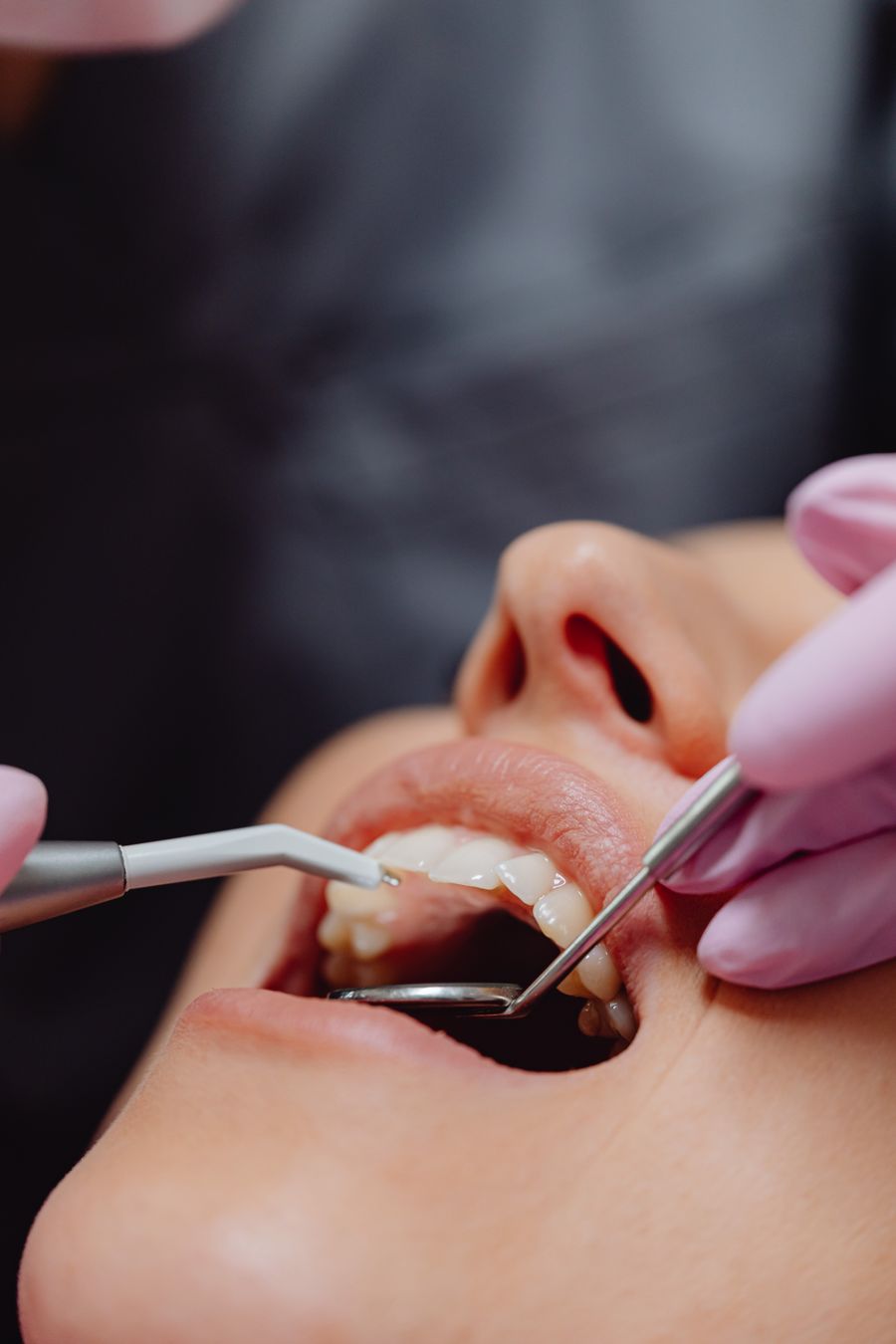

Know the warning signs
When should you have a tooth checked?
Problems inside a tooth do not always cause the same symptoms. A dental examination is the best way to identify the cause and decide whether root canal treatment is appropriate.
Persistent toothache
Ongoing or recurring pain may indicate inflammation or infection inside the tooth.
Lingering sensitivity
Pain that continues after hot or cold food and drinks may need further assessment.
Pain when biting
Tenderness when chewing or applying pressure can have several dental causes.
Swelling or a gum bump
Swelling, tenderness or a recurring pimple-like bump near a tooth needs prompt attention.
Treatment options
Different teeth. Different treatment needs.
Root canal care depends on the tooth, the condition of the pulp, the number of canals and whether the tooth can be restored. Your dentist will explain the suitable option after examination.
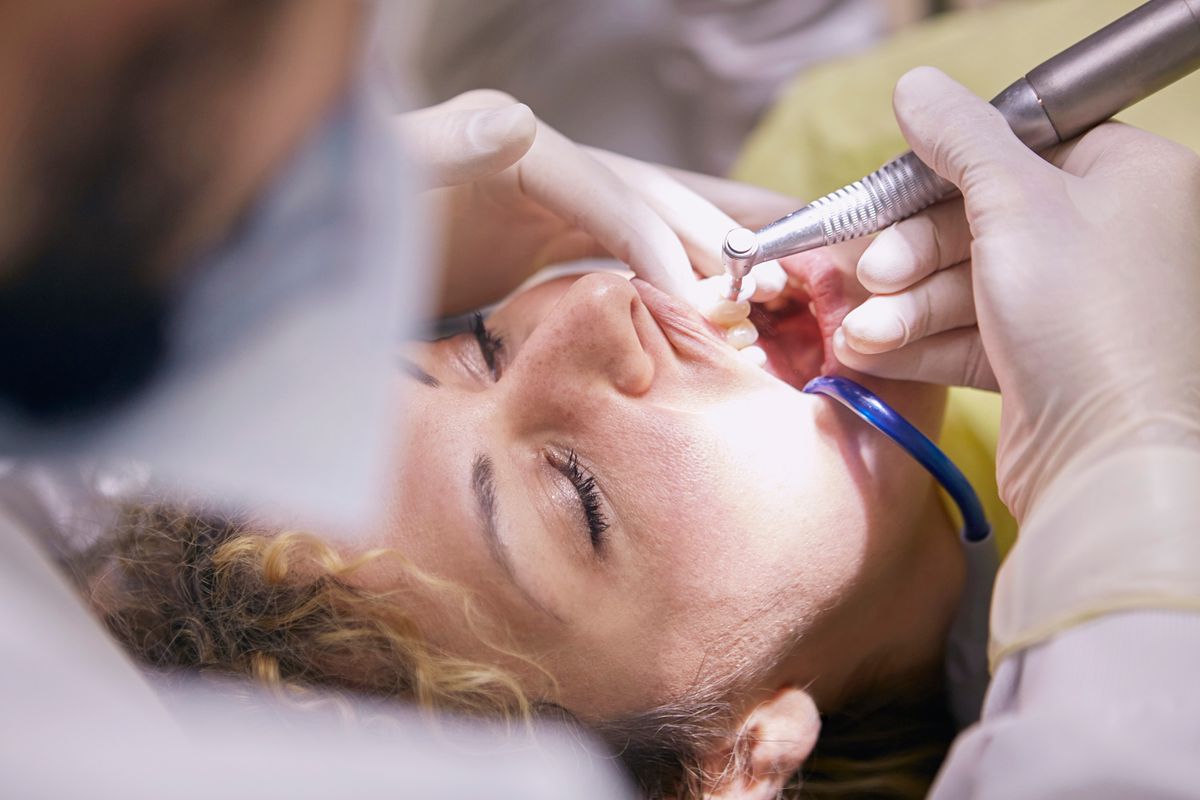 Treatment option 01
Primary root canal treatment
When the pulp inside a tooth becomes inflamed or infected, conventional root canal treatment may be recommended. The affected pulp is removed, and the internal canals are cleaned, shaped and sealed.
The aim is to help retain the natural tooth rather than remove it, when the tooth is considered suitable for restoration.
- Assessment of the affected tooth
- Cleaning and shaping of the root canals
- Filling and sealing of the prepared canals
 Treatment option 02
Root canal retreatment
In some cases, a tooth that has already received root canal treatment may develop new symptoms or show signs of persistent infection. Retreatment may be considered after careful evaluation.
The dentist assesses the existing filling, root canal anatomy and condition of the tooth before discussing whether retreatment is suitable.
- Review of previous root canal treatment
- Assessment for missed or affected canals
- Discussion of possible treatment outcomes
 Treatment option 03
Front teeth, premolars and molars
The number and arrangement of root canals vary between teeth. Front teeth often have simpler canal anatomy, while premolars and molars may have more complex root systems.
The treatment approach is planned according to the tooth's anatomy, the extent of damage and the findings from dental examination and imaging.
- Front tooth root canal treatment
- Premolar root canal treatment
- Molar root canal treatment
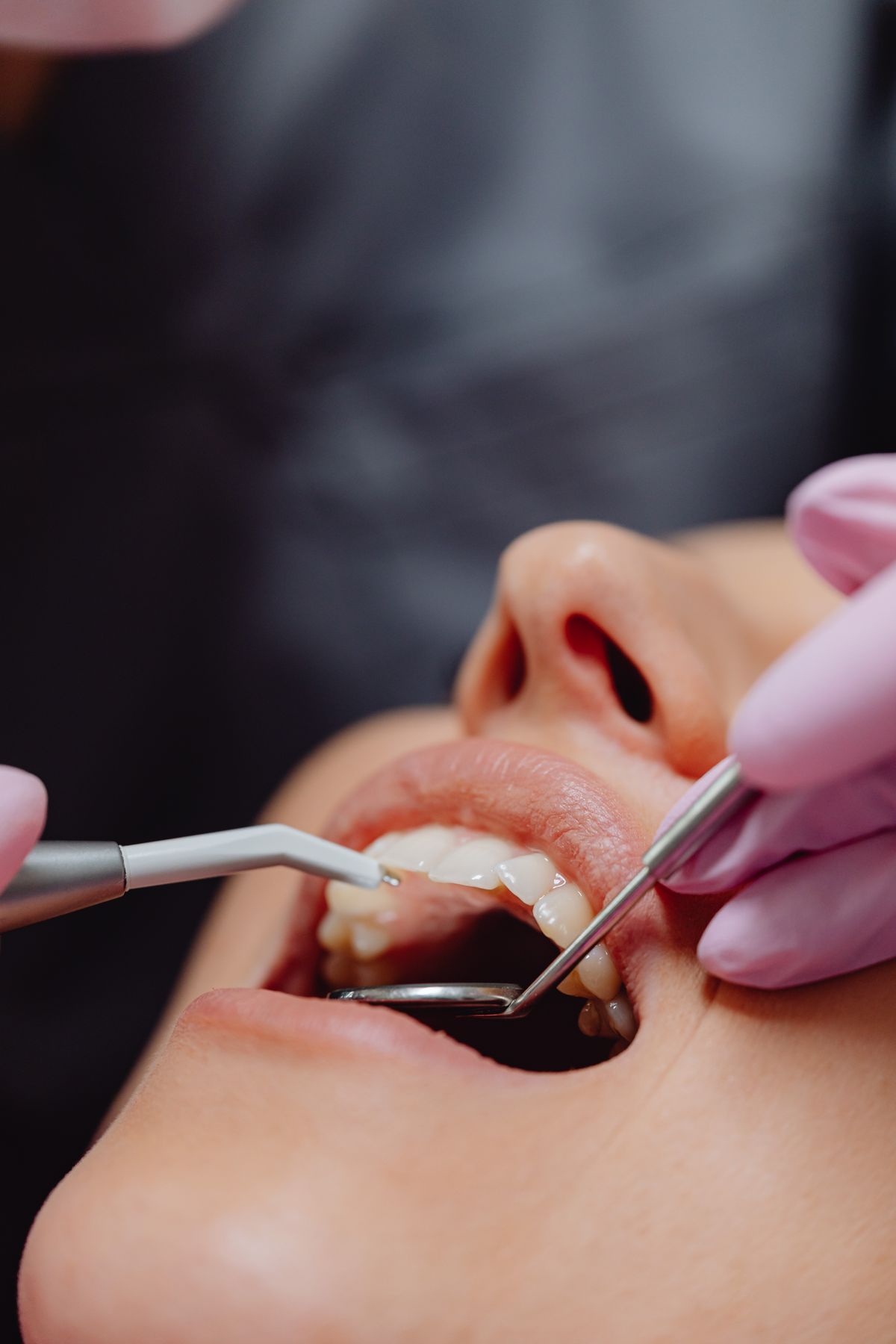 Selected pulp procedures
Pulpotomy and pulpectomy
Pulpotomy and pulpectomy are different procedures involving the dental pulp. A pulpotomy removes affected pulp tissue from the crown portion of a tooth, while a pulpectomy involves removal of pulp tissue from the pulp chamber and root canals.
These procedures are used in selected clinical situations. They are not interchangeable with conventional root canal treatment, and suitability depends on the individual tooth and patient.
 Specialist procedure
Apicoectomy
An apicoectomy is a surgical endodontic procedure that involves removing the tip of a tooth's root and treating the surrounding area. It may be considered in selected cases when conventional root canal treatment or retreatment is not sufficient.
This procedure requires specialist assessment. Availability and suitability should be confirmed with the clinic.
Understand your tooth
What happens inside a tooth?
Beneath the hard outer layers is the pulp, which contains nerves and blood vessels. If the pulp becomes irreversibly inflamed or infected, root canal treatment may be recommended.
Your treatment journey
How root canal treatment is performed
The exact steps and number of visits depend on the tooth, its condition and the treatment plan recommended by your dentist.
Examination
The dentist checks your symptoms and examines the tooth. Dental X-rays may be needed.
Anaesthesia
Local anaesthesia is generally used to help keep you comfortable during treatment.
Canal cleaning
The affected pulp is removed, and the canals are cleaned and shaped.
Filling and sealing
The prepared canals are filled and sealed to help prevent reinfection.
Final restoration
A suitable filling or crown may be recommended to protect the treated tooth.
Inside the dental clinic
Care in a clinical setting
Illustrative photographs of dental care and clinical environments.
Dental consultation
Clinical environment
Dental care
Patient appointment
 Dental examination
After your appointment
Protect your treated tooth.
Aftercare is an important part of treatment. Follow your dentist's instructions and attend any recommended follow-up visits.
Avoid chewing hard or sticky foods on the treated tooth until your dentist confirms it is safe.
Brush gently and clean between your teeth as advised by your dental professional.
Attend the recommended appointment for a permanent filling or crown if one is advised.
Follow the review schedule recommended by your dentist.
Seek advice if you develop increasing pain, swelling, fever or other concerning symptoms.
Questions answered
Root canal FAQs
Learn more about treatment, recovery and caring for your natural tooth.
Extra Care Medical Center · Abu Dhabi
Don't ignore persistent tooth pain.
Arrange a dental consultation to understand what is causing your symptoms and whether root canal treatment may be suitable.