
Deposit 01
Dental plaque
Plaque is a soft, sticky film of bacteria that forms on teeth. Regular brushing and cleaning between teeth help remove it.

Preventive dental care · Abu Dhabi
Professional teeth scaling and polishing helps remove hardened tartar, plaque deposits and surface stains that everyday brushing cannot fully remove. Give your teeth and gums the attention they deserve with a personalised dental cleaning appointment.

Understanding the treatment
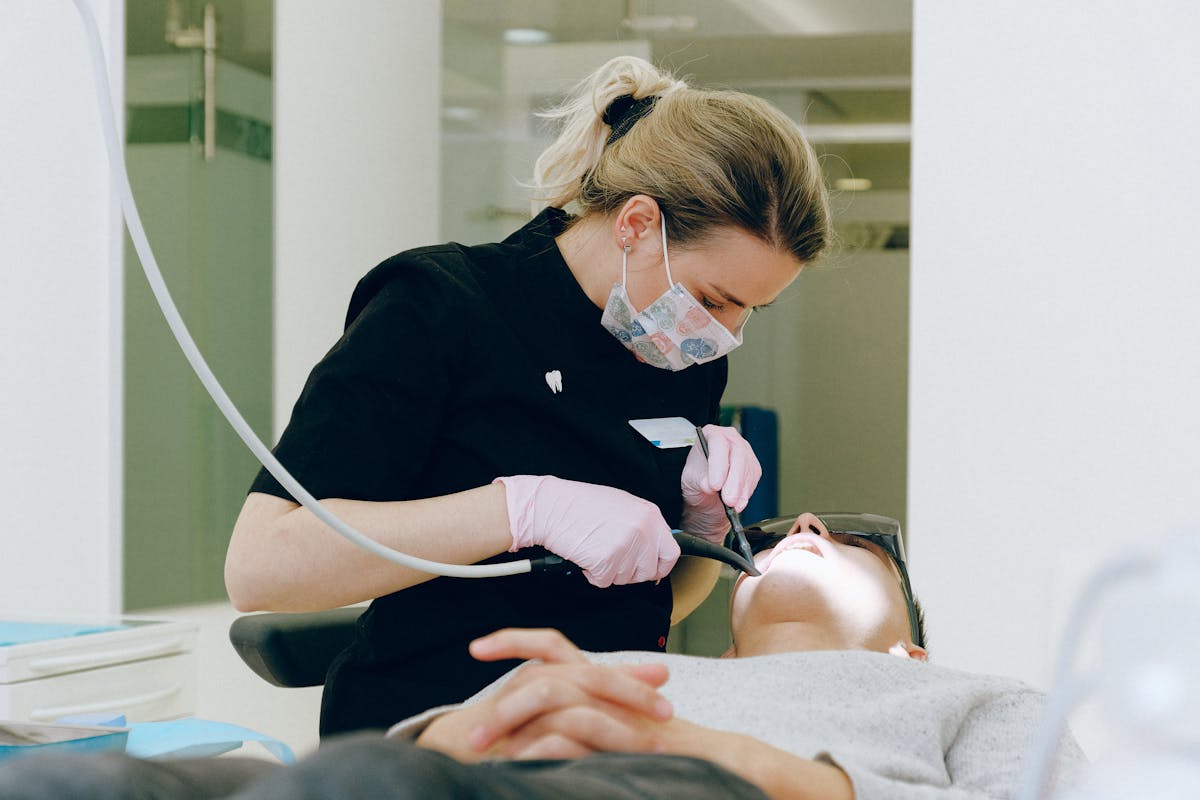
Teeth scaling and polishing is a professional dental cleaning procedure designed to remove plaque, hardened deposits known as calculus or tartar, and certain external stains from the teeth.
During scaling, a dental professional uses suitable instruments to remove deposits from tooth surfaces and around the gumline. Polishing may then be performed to smooth the tooth surfaces and remove some remaining surface stains.
Professional cleaning supports daily brushing and interdental cleaning. It is not a replacement for regular home oral hygiene or dental check-ups.
What builds up on teeth?
Plaque and tartar can collect around the teeth, particularly near the gumline and between teeth. Understanding the difference explains why professional cleaning can be important.
Plaque is a soft, sticky film of bacteria that forms on teeth. Regular brushing and cleaning between teeth help remove it.

When plaque hardens, it becomes tartar. It cannot be removed effectively with ordinary brushing and needs professional removal.
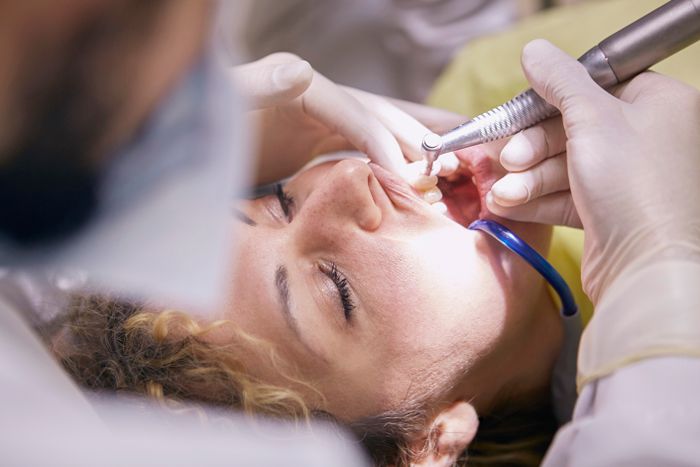
Coffee, tea, tobacco and some foods can contribute to external staining. Polishing may help remove some surface stains.

Plaque and tartar near or below the gumline can irritate gum tissue. A dentist will assess the deposits and the condition of your gums.

Why gum health matters
Healthy gums help support your teeth. When plaque remains around the gumline, the gums can become inflamed. If gum disease progresses, the tissues and bone supporting the teeth may be affected.
A professional dental assessment helps identify whether you need routine cleaning, more extensive periodontal care or another treatment.
Your dental cleaning appointment
Your appointment is adapted to the amount and location of deposits, gum condition and your individual oral health needs.
The dentist or dental professional checks your teeth, gums, visible deposits and areas that may need additional attention.
Suitable dental instruments are used to remove plaque and hardened tartar from tooth surfaces and around the gumline.
Where appropriate, the tooth surfaces are polished to remove certain external stains and smooth the cleaned surfaces.
You receive advice on brushing, cleaning between teeth and any recommended follow-up or additional gum treatment.
The finishing step
Polishing is often performed after scaling when suitable. A dental professional uses an appropriate polishing instrument and paste to clean tooth surfaces and remove some external stains.
It can leave the teeth feeling smoother and cleaner. Polishing does not remove all types of discolouration, change the underlying natural tooth shade or replace professional whitening.
Benefits of professional cleaning
Professional scaling and polishing supports your daily oral hygiene routine and helps manage deposits that can accumulate over time.
Helps remove deposits that cannot be brushed away at home.
Reduces plaque and tartar deposits that can contribute to gum irritation.
Polishing may reduce certain external stains from everyday habits.
Cleaned and polished surfaces can feel smoother to the tongue.
Provides an opportunity to identify deposits and discuss oral health concerns.
Helps you understand how to improve your daily brushing and interdental cleaning.
Is professional cleaning right for you?
The need for professional cleaning depends on your oral health, tartar accumulation, gum condition and individual risk factors.
Visible tartar deposits
Hard deposits around the teeth or gumline.
Bleeding gums
Gums that bleed during brushing or flossing should be assessed.
Persistent bad breath
Ongoing bad breath may have several causes, including gum problems.
Staining and deposits
External stains and buildup that are not removed by home cleaning.
Routine preventive care
Patients attending regular dental check-ups may be advised to have professional cleaning.
Gum health concerns
Swollen, tender or receding gums need a dental assessment, not just routine polishing.
After your cleaning appointment
Good daily habits help reduce plaque accumulation between professional cleaning appointments. Your dentist may provide additional instructions based on your gum condition and treatment.
Your cleaning schedule
There is no single schedule that suits everyone. Some people may need professional cleaning at routine intervals, while patients with gum disease, rapid tartar buildup or other risk factors may need more frequent professional care.
Your dentist will recommend a suitable interval after assessing your teeth, gums and oral hygiene needs.
Your dental professional can help decide how frequently you should have scaling and polishing. Do not rely on a fixed calendar interval if you have gum disease or other specific dental concerns.
Frequently asked questions
Common questions about professional teeth cleaning, comfort, stains and aftercare.
Extra Care Medical Center · Abu Dhabi
Book a dental assessment to discuss scaling and polishing based on your teeth and gum health.